
Microsoft ISOC explained: what it is, who it is for, and how it compares to Sentinel
Microsoft ISOC brings SIEM into Defender as an E5 and E7 benefit. What it is, who it's for, and what Sentinel customers should know.
8 minute read

Modern Security is free and ad-free. If an article saved you time, you can buy me a coffee to keep the guides coming.
Buy me a coffeeFollow Modern Security

Advanced blogs on Microsoft Defender XDR, focusing on cross-domain detection, alert correlation, incident investigation, and SOC operations.
Microsoft Defender XDR brings together signals across identity, endpoint, email, and cloud. This category focuses on cross-domain detection, correlation, and incident response.
The articles explore how incidents are built, how alerts relate to each other, and how XDR improves investigation efficiency. Emphasis is placed on understanding detection context, not just responding to alerts.
This category is core to SOC operations and advanced detection engineering.
Microsoft ISOC brings SIEM into Defender as an E5 and E7 benefit. What it is, who it's for, and what Sentinel customers should know.
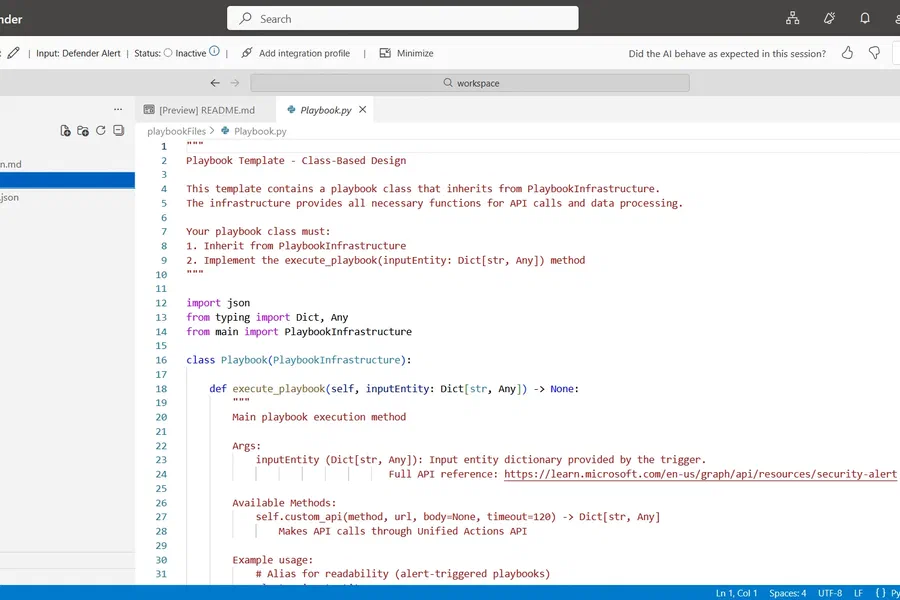
Microsoft Sentinel AI playbook generator: turn a sentence into a working SOC automation, no SCU or Logic Apps needed.

BYOVD-based EDR killers are now offered in ransomware-as-a-service operations. Countermeasures with ASR, vulnerable driver blocklist, HVCI, and WDAC.
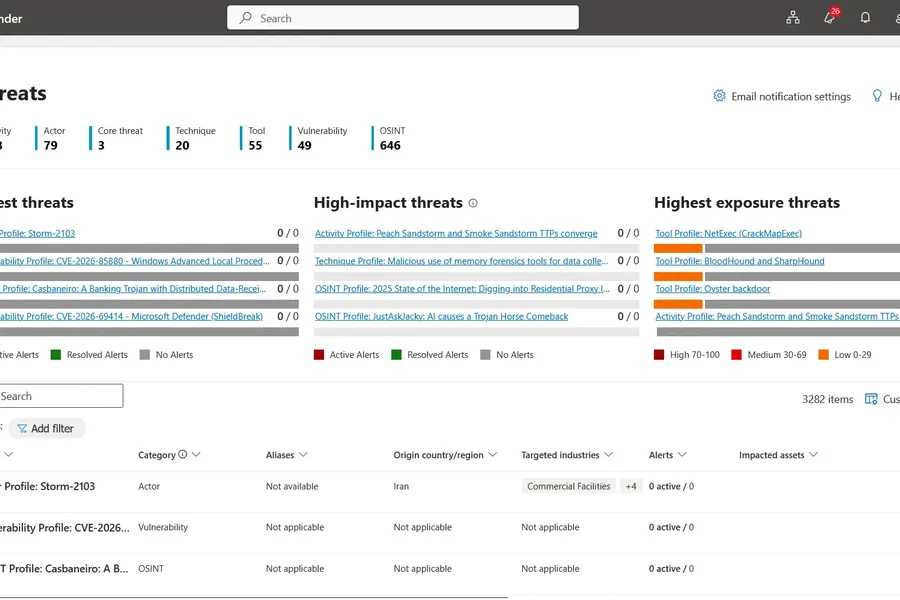
Microsoft Defender Threat Intelligence (MDTI) convergence reached GA. Step-by-step on the connector, using the Graph API, and what to check before.
How Microsoft Defender for Endpoint's AI agent runtime protection detects and blocks prompt injections before executing (now in preview)

Learn about how Microsoft Defender for Endpoint Custom Data Collection fixes lack of visibility, and step-by-step instructions to implement it properly.
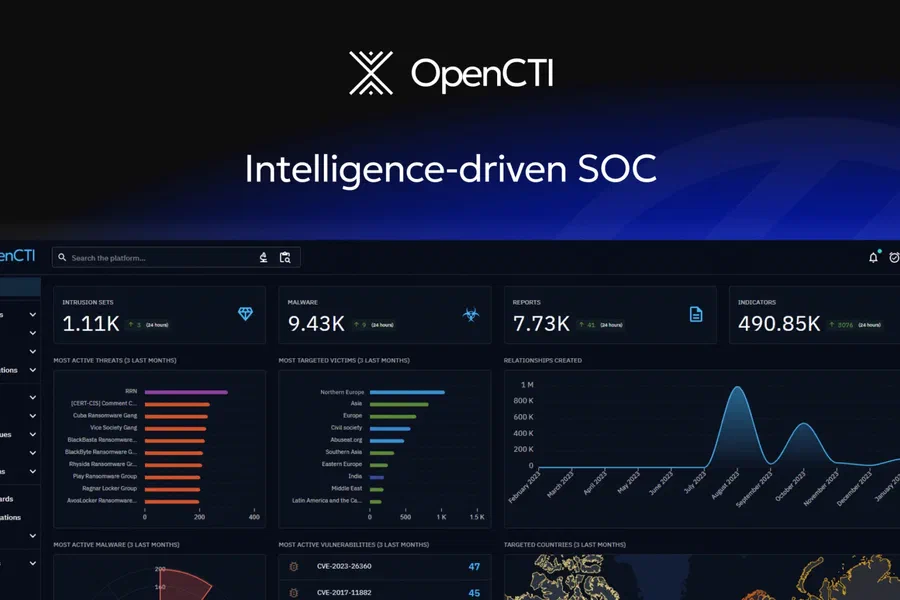
A practical guide to installing OpenCTI, adding threat intelligence feeds and connecting it to Microsoft Sentinel for enriching TI information.

Complete step-by-step guide to deploying and migrating to the Microsoft Defender for Identity (MDI) sensor v3.x and auditing included.