 Updated
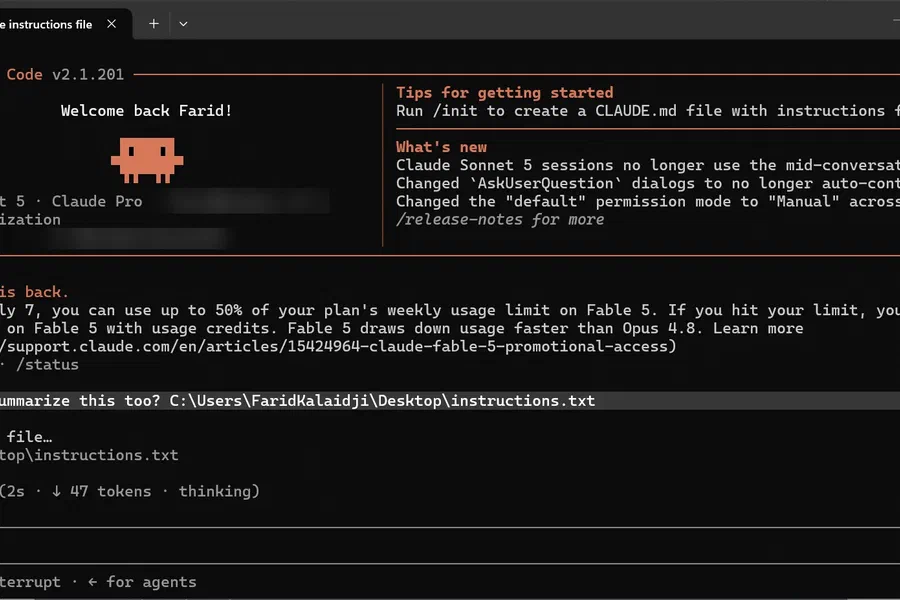
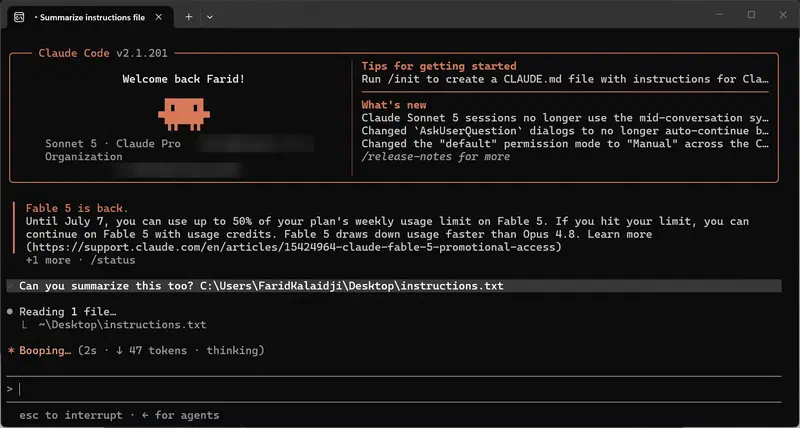
AI agent runtime protection in Microsoft Defender for Endpoint
How AI agent runtime protection in Defender for Endpoint works, which agents it covers, how to deploy it, and the known issues in the preview.
10 minute read

Modern Security is free and ad-free. If an article saved you time, you can buy me a coffee to keep the guides coming.
Buy me a coffeeFollow Modern Security
Technical content on Microsoft Defender for Endpoint, including endpoint detection, attack simulation, incident response, and DFIR workflows.
Endpoints remain a critical part of the attack chain. This category focuses on endpoint detection, investigation, and response using Microsoft Defender for Endpoint.
Articles explore detection logic, attack simulation, live response capabilities, and DFIR workflows. Rather than generic EDR discussions, the focus is on how Defender for Endpoint behaves in real attack scenarios and how it integrates into broader XDR investigations.
You will also find content on advanced topics such as selective isolation, response automation, and how endpoint telemetry supports threat hunting and exposure analysis.
This category is designed for security professionals responsible for endpoint security operations and incident response.
UpdatedHow AI agent runtime protection in Defender for Endpoint works, which agents it covers, how to deploy it, and the known issues in the preview.
 Updated
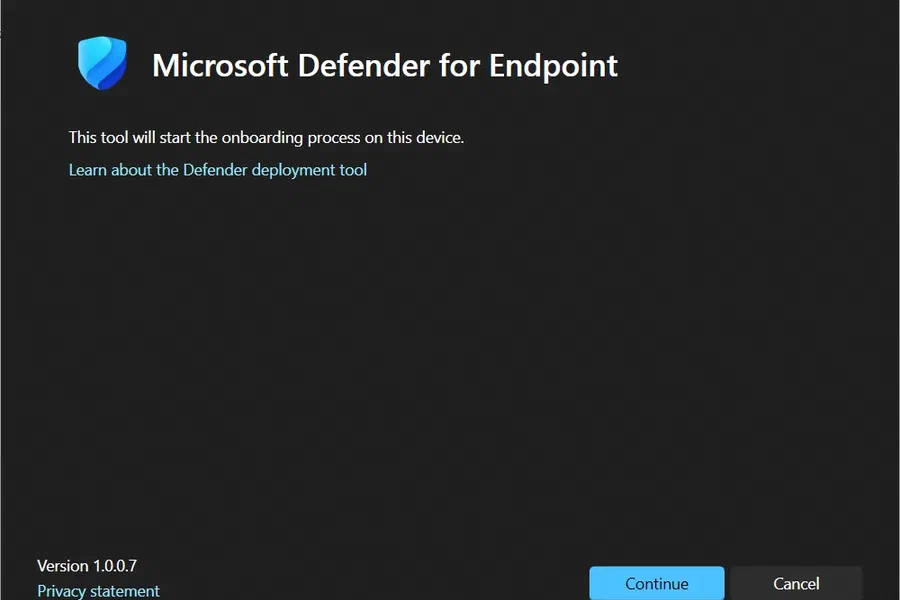
Easy Microsoft Defender for Endpoint onboarding and offboarding with the Defender deployment tool: setup, command-line use, and rollout considerations.

Learn about how Microsoft Defender for Endpoint Custom Data Collection fixes lack of visibility, and step-by-step instructions to implement it properly.
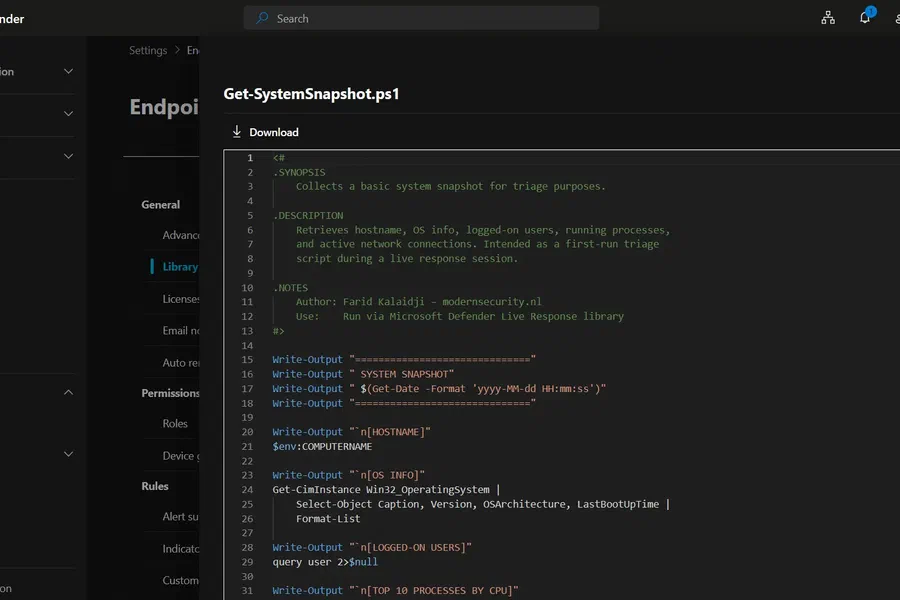
Microsoft Defender for Endpoint now includes centralized library management for live response. Learn what it does, how to set it up.
Use Microsoft Defender for Endpoint's Selective Isolation with Velociraptor to investigate compromised endpoints remotely, full DFIR without losing access.

Enhance security with Microsoft Defender for Endpoint (MDE) Deception. Detect threats early, and prevent lateral movement.